
Short Summary:
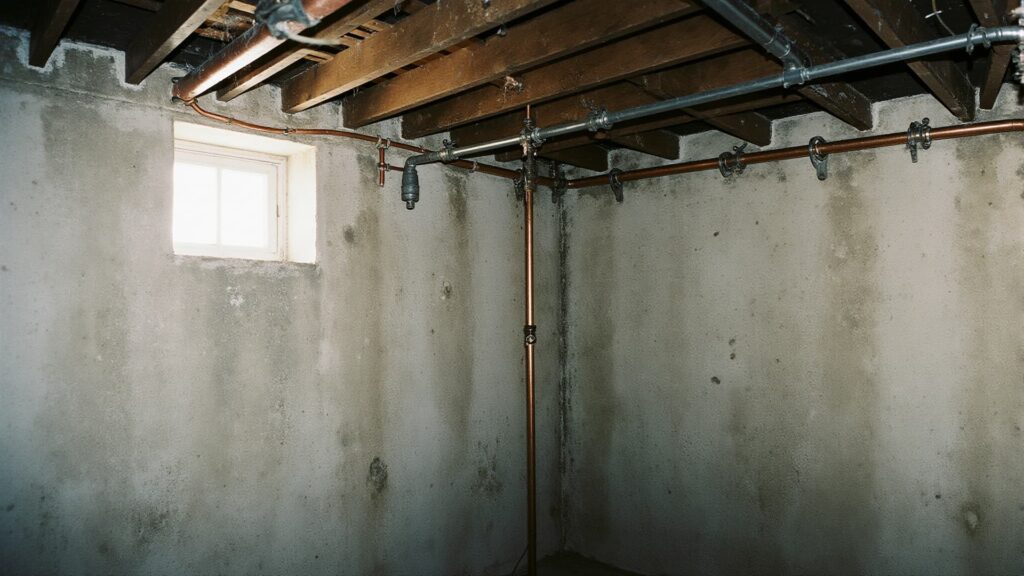
A basement in Boston often stays wet due to groundwater seepage, poor drainage, clogged gutters, foundation cracks, snowmelt, condensation, plumbing leaks, or sump pump problems. Fixing a chronically damp basement requires figuring out whether the moisture comes from outside (rain, soil, snow) or inside (humidity, leaks), and then applying the right combination of drainage improvements, crack repairs, waterproofing, humidity control, and regular maintenance.
- A Deep, Practical Guide for Boston Homeowners
- Why Boston Basements Tend to Be Damp More Often
- Common Signs Your Basement Has Moisture Problems
- Major Causes of Wet Basements in Boston (With Fixes)
- Unique Moisture Issues in Older Boston Homes
- Step-by-Step Guide to Fixing a Wet Basement
- Long-Term Prevention Strategies
- When to Consider a Professional Inspection
- Frequently Asked Questions
- Final Thoughts
A Deep, Practical Guide for Boston Homeowners
If you’ve ever walked down into your basement and been greeted by that unmistakable “damp basement smell,” you’re definitely not alone. Boston basements — whether in Cambridge, Quincy, Brookline, Somerville, Medford, or anywhere in Greater Boston — have a reputation for being a little wet, a little musty, and sometimes a lot frustrating.
Your basement might only get damp after storms…
Or it might feel humid all the time.
Or maybe there’s an occasional puddle in a mystery corner that has made you question the sanity of your entire plumbing system.
Whatever the case, wet basements follow predictable patterns. There are clear reasons why this happens — and once you understand your specific cause, everything becomes much easier to fix and prevent.
This long-form guide breaks down every common reason Boston basements get wet, from soil conditions to humidity quirks to hidden plumbing leaks.
Let’s start by understanding why Boston homes, in particular, are prone to moisture issues.
Why Boston Basements Tend to Be Damp More Often
Boston is basically the “perfect storm” city for basement moisture. Several factors come together:
Older Construction
A huge portion of the housing stock was built before:
- Foundation waterproofing membranes
- Proper drainage codes
- Sump pump systems
- Modern grading standards
Fieldstone foundations, porous brick walls, and crumbling mortar make moisture entry almost inevitable unless updated.
Clay-Rich Soil
Many Boston neighborhoods have soil with a high clay content. Clay holds water, expands when wet, and places pressure on foundation walls.
Freeze–Thaw Cycles
Boston winters are dramatic:
- Snow
- Deep freezes
- Sudden thaws
- More snow
- Ice dams
- Repeat
This cycle creates foundation cracks and causes water to repeatedly expand and contract against the home.
Very High Annual Precipitation
Boston gets more precipitation than many people realize — including:
- Heavy spring rains
- Summer thunderstorms
- Nor’easters
- Snowmelt events
- Tropical storm remnants
More water = more opportunities for water intrusion.
Dense Neighborhoods
Small yards and tight houses mean water has fewer places to drain, so it tends to collect near foundations.
Put all this together, and you’ve got a region where basements are constantly fighting moisture.
Common Signs Your Basement Has Moisture Problems
Before identifying the cause, it’s helpful to know what the warning signs look like.
Visual signs
- Water stains on walls or floors
- Efflorescence (white, chalky residue)
- Peeling paint
- Bubbling or blistering coating
- Visible mold patches
- Darkened spots on concrete
- Rust on metal objects
- Rotting wood or deteriorating insulation
Smells
- Musty odor
- “Earthy” or “damp” smell
- Metallic, sour, or mildew-like notes
Environmental clues
- High humidity
- Cold, clammy air
- Condensation forming on pipes or walls
- Dehumidifier filling up rapidly
Structural symptoms
- Cracks in the foundation
- Bowing or leaning walls
- Stained baseboards
- Minor puddles that appear and disappear
If you notice several of these, your basement isn’t “just a little damp.” It’s pointing toward a larger moisture pattern.
Major Causes of Wet Basements in Boston (With Fixes)
Below is the comprehensive breakdown of each cause, how to diagnose it, and what you can do to fix it.
1. Groundwater Seepage
Short Explanation:
Groundwater around your foundation rises and creates pressure, pushing moisture through the concrete or masonry.
Why It Happens in Boston:
Clay-rich soils and dense housing create the perfect environment for groundwater to build up.
Signs of Groundwater Seepage
- Water appearing along the wall-floor joint
- Damp lines several inches above the floor
- Moisture after long rainstorms, not short showers
- White efflorescence on walls
- No obvious entry point, but walls feel damp
Real-World Example
Think of your basement wall as a soaked sponge. Once the ground outside is saturated, water migrates through tiny pores in the concrete.
Fixes
- Install or repair French drains
- Add or upgrade a sump pump
- Waterproof interior walls with a drainage membrane
- Improve the grading outside
- Redirect stormwater runoff
Groundwater is persistent, but drainage upgrades usually solve the issue.
2. Foundation Cracks
Short Explanation:
Even hairline cracks allow water to seep in during storms or snowmelt.
Causes in Boston Homes
- Freeze-thaw cycles
- Soil expansion/contraction
- Natural settling of older structures
- Hydrostatic pressure
Signs
- A visible crack with trails of water
- Wetness concentrated in one vertical line
- Water pooling directly beneath a crack
Fixes
- Inject polyurethane or epoxy
- Patch cracks with cementitious sealers
- Reduce exterior pressure through drainage improvements
- Install exterior membranes if possible
Cracks rarely fix themselves — they worsen over time.
3. Poor Exterior Grading
Short Explanation:
If the ground around your home slopes toward the house rather than away from it, water naturally collects by the foundation.
Signs
- Soil erosion near the walls
- Standing water after rain
- Water always entering on the same side of the basement
- Mud splashing onto the foundation
Fixes
- Add soil to recreate a positive slope
- Install swales (small drainage channels)
- Rebuild landscaping to direct water away
- Avoid flower beds directly against the house
- Install dry wells to handle heavy runoff
Think of grading like a slide. Water always follows gravity.
4. Gutter and Downspout Problems
Short Explanation:
Clogged gutters dump water against the foundation — the fastest way to cause basement leaks.
Boston-Specific Problem:
Autumn leaf drop + winter freezing = constantly clogged or misaligned gutters.
Signs
- Overflowing gutters during storms
- Soil erosion directly beneath downspouts
- Wet corners in the basement
- Visible debris or vegetation in the gutters
Fixes
- Clean gutters 2–3 times yearly
- Extend downspouts 6–10 feet
- Add splash blocks
- Repair sagging sections
- Install gutter guards (optional)
Downspouts alone account for a large percentage of basement leaks.
5. Stormwater and Snowmelt Intrusion
Boston experiences heavy weather patterns that soak the soil, including:
- Nor’easters
- Sudden temperature spikes
- Intense summer rainfalls
- Rapid snowmelt events
These events overwhelm soil capacity, increasing hydrostatic pressure.
Signs
- Water enters only during large storms
- Water appears hours after rainfall, not immediately
- Basement leaks during spring snowmelt
Fixes
- Install sump pump backups for extreme weather
- Improve yard drainage
- Waterproof walls
- Install exterior drainage systems
- Clear snow piles away from the foundation
Boston’s weather practically guarantees groundwater pressure spikes.
6. Indoor Humidity & Condensation (“Basement Sweat”)
Short Explanation:
Warm humid summer air hits cold concrete or metal surfaces and condenses as water droplets.
This isn’t a leak — it’s physics.
Signs
- Condensation on ductwork
- Water droplets on pipes
- Wet concrete even when it hasn’t rained
- Musty air without visible leaks
Causes
- High summer humidity
- Laundry dryers venting into the basement
- Uninsulated cold water pipes
- Poor ventilation
Fixes
- Install a continuous-drain dehumidifier
- Insulate cold pipes
- Seal air leaks around doors/windows
- Increase airflow with fans
- Use vapor-resistant paint on walls
Condensation is the most frequently misdiagnosed “leak.”
7. Plumbing Leaks
Short Explanation:
Often mistaken for “groundwater,” indoor leaks can create chronic wet spots.
Typical Culprits
- Water heater failure
- Leaky shutoff valves
- Cracked washing machine hoses
- HVAC condensation overflow
- Leaking copper joints
- Toilets or bathrooms above the basement
Signs
- Water even during dry weather
- Localized dampness far from exterior walls
- Rust stains on appliances
- Drips or trickles from pipes
Fixes
- Replace failing pipes
- Upgrade to braided steel appliance hoses
- Replace aging water heaters
- Repair leaking valves
- Add insulation to prevent condensation
Plumbing leaks are sneaky — but easier to fix than structural moisture.
8. Sump Pump Failures
Short Explanation:
If you rely on a sump pump and it fails, water buildup will overwhelm your basement.
Common Problems
- Stuck float
- Pump too old
- Clogged discharge line
- No check valve
- Power failure during storms
- Pit debris clogging the pump
Signs
- Water rising inside sump pit
- Pump not responding
- Pump runs constantly or not at all
- Basement floods during power outages
Fixes
- Replace pump every 7–10 years
- Install battery backup
- Clean the pit
- Add a secondary pump
- Insulate exterior discharge lines
In Boston, snow and ice commonly clog discharge lines.
9. Window Well Leaks
Below-grade windows become mini reservoirs during heavy rain.
Causes
- Poor well drainage
- Cracked window frames
- Missing covers
- Blocked gravel
- Soil erosion inside the well
Signs
- Water on the wall directly under a basement window
- Puddles inside the window well
- Soil shifting or collapsing into the well
Fixes
- Add window well covers
- Replace cracked windows
- Add proper gravel and drainage
- Seal gaps around frames
Window wells are often overlooked but can leak gallons of water inside.
10. Hydrostatic Pressure (Invisible But Powerful)
This isn’t a specific leak — it’s a force.
Hydrostatic pressure is the weight of water pressing against basement walls.
When soil is saturated, pressure builds up and forces water through:
- pores in concrete
- mortar joints
- cracks
- seams at the footing
Imagine your basement walls as a dam — they’re constantly holding back water.
Fixes
- Exterior drainage
- French drains
- Interior channels
- Sump pump systems
- Waterproofing membranes
This is what causes persistent dampness even without visible leaks.
Unique Moisture Issues in Older Boston Homes
If your home is 80–150+ years old, expect:
- Stone foundations that leak easily
- Mortar deterioration
- No footing drains
- Thin walls
- Low ceilings that trap humidity
- Poor ventilation
- Basement floors with no vapor barrier
Many older Boston homes were never meant to be “finished basements.” They were storage cellars. Converting them into living spaces requires significant moisture control upgrades.
Step-by-Step Guide to Fixing a Wet Basement
This is the most practical way to approach repairs without wasting time or money.
Step 1: Determine If Moisture Comes From Inside or Outside
Use the “foil test”:
- Tape aluminum foil to the wall.
- Leave for 24–48 hours.
If moisture forms:
- On the wall side: water is seeping through the wall.
- On the foil surface: condensation from humidity.
This single test eliminates half the guesswork.
Step 2: Check Water Pathways During Rain
You can learn a lot by watching your home during a storm:
- Does water overflow the gutters?
- Do downspouts splash against the foundation?
- Are there puddles near the walls?
- Do windows collect water?
- Does the yard slope toward the home?
Walk around during moderate rain — not heavy storms — to observe patterns safely.
Step 3: Check Interior Humidity and Ventilation
Use a simple hygrometer.
Ideal basement humidity: 35%–50%
If readings are above 60%, condensation and mold are almost guaranteed.
Step 4: Examine the Foundation
Look for:
- Hairline cracks
- Bowing walls
- Efflorescence
- Stains in horizontal lines
The pattern reveals the cause:
- Horizontal stains → drainage issue
- Vertical stains → crack leak
- Entire wall damp → hydrostatic pressure
Step 5: Inspect Plumbing and Appliances
Check:
- Water heater
- Pressure relief valve
- Washing machine hoses
- Sinks and drains
- HVAC systems
- Nearby bathrooms
Even a tiny drip can cause major humidity.
Step 6: Test the Sump Pump
Pour a bucket of water into the pit.
If the pump doesn’t activate within a few seconds, it’s not reliable.
Long-Term Prevention Strategies
Keeping your basement dry is an ongoing process. Here’s how to maintain long-term dryness.
1. Maintain Gutters & Downspouts
One of the most important prevention tasks.
- Clean in spring and fall
- Add 6–10 ft extensions
- Repair sagging areas
- Install guards if trees are nearby
Proper gutter control can eliminate up to 70% of water intrusion.
2. Improve Exterior Drainage
- French drains
- Yard regrading
- Swales
- Dry wells
- Catch basins
Drainage is the foundation of dryness.
3. Install or Maintain a Sump Pump
Include:
- Backup pump
- Battery backup system
- Regular testing
- Pit cleaning
- Discharge line insulation
4. Waterproof Basement Walls
Options include:
- Interior drainage channels
- Waterproof membranes
- Cementitious coatings
- Epoxy injections
- Vapor barriers
Note: waterproof paint alone is not enough.
5. Reduce Humidity
- Continuous dehumidifier
- Ventilation improvements
- Seal air leaks
- Insulate cold pipes
- Use exhaust fans in laundry/bath areas
6. Prevent Snow Banks Near the Home
After plowing or snow-blowing, do not pile snow against the foundation.
When it melts, it becomes an unwanted seasonal swimming pool.
7. Manage Landscaping
- Avoid deep-root bushes near the foundation
- Keep mulch away from walls
- Choose plants that require less watering
- Allow 6–12 inches of clearance at the foundation
When to Consider a Professional Inspection
Seek help if:
- Water returns repeatedly
- There is visible mold
- Structural cracks widen
- Walls show bowing or bulging
- Sump pump fails regularly
- You notice sewage odors
- Multiple walls show seepage
- Water enters during every storm
- You are planning to finish the basement
Moisture issues often worsen with time — not improve on their own.
Frequently Asked Questions
Final Thoughts
A wet basement can feel like a mystery — but it’s almost always solvable. Once you identify whether the moisture comes from outside, inside, or below the foundation, you can take targeted steps to fix it.
Boston’s climate and soil make basement moisture very common, but not unavoidable. With the right drainage, waterproofing, humidity control, and foundation maintenance, a basement can become dry, clean, and usable year-round.

