

Belmont, Massachusetts • Property damage restoration
Restoration Company in Belmont, MA
A soaked wood floor raises a practical question: can it be saved? Boston Restoration Prime helps Belmont property owners answer that question for floors, finishes and belongings after water, fire or mold damage. We assess the affected materials, explain cleanup options and plan the next stage, including sewage and storm losses.
Get Immediate Help Now
Request your free, no-obligation estimate.
A house is made of different materials
Start with an assessment, not a demolition assumption
The same brown stain means different things on plaster, drywall and paneling. Moisture may sit behind the finish or pass into another layer. We inspect the assembly and the route of the loss, then discuss cleaning, drying or removal. A material that cannot be reached or cleaned presents a different decision from one that can.
Belmont’s historic districts and varied residential architecture make repair choices worth discussing early. Tell us about original trim, previous alterations and any known restrictions affecting the property. If restoration leads to exterior changes or regulated work, the appropriate approvals and qualified trades belong in the repair plan.
An attractive surface can still conceal damage that limits salvage. Contamination, separated layers or moisture trapped behind the finish can make removal necessary. We explain those limits along with the options for preserving sound material.

Follow the damage through the layers
Floors and built-ins
Water from a refrigerator can disappear under the cabinets and show up farther across the floor. The cabinet bases and accessible subfloor therefore need checking too. When boards cup or swell, the next decision is about their moisture and stability; immediate sanding can create a repair problem of its own.
We explain the basis for a salvage recommendation and what remains uncertain. Specialized finishes or valuable pieces may need an appropriate specialist rather than a routine surface treatment.
Walls and ceilings
A ceiling stain may sit several feet from the entry point. Water can follow framing, wiring openings or the back of a finish. Inspection therefore includes the room above and accessible edges, with controlled openings considered where the hidden area cannot otherwise be assessed.
Before older or suspect finishes are disturbed, a qualified professional may need to assess possible lead paint or asbestos. That assessment is separate from the cleanup plan; the material being handled matters as well as the visible damage.
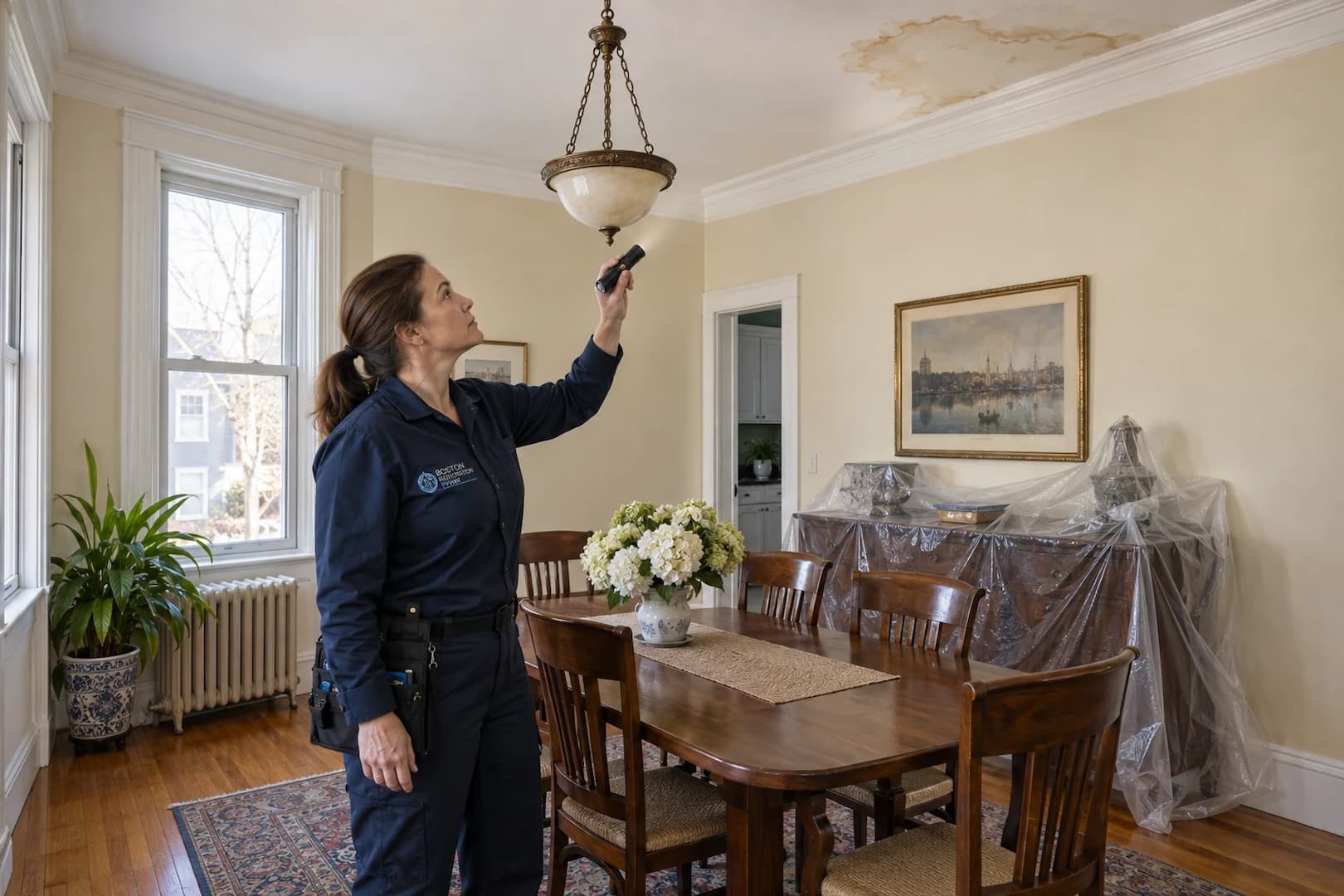
For an active leak, make the next move safely
Keep people away from wet electrical areas and unstable ceilings. Call emergency services for immediate danger.
If a shutoff is accessible from a dry location, stop the leaking supply. Photograph visible damage without entering a hazardous room, then call with the discovery time and the floors involved. Avoid opening a bulging ceiling or switching on wet appliances.
We provide water damage restoration, from extraction through monitored drying. The leaking pipe, roof or appliance also needs correction by the appropriate trade. Restoring the room while fresh water continues to enter will not solve the loss.
After fire and smoke
Match the cleaning method to the surface
A painted wall, unfinished wood and upholstery do not respond to soot cleaning in the same way. Once entry is safe, we assess the residue and its spread before choosing a method. Leave small soot marks alone until then: a wet cloth can smear them into the surface.
Our fire damage restoration assessment also looks at smoke movement into adjoining spaces and any water left by firefighting. Contents and accessible ventilation pathways may need separate attention when odor persists.
We discuss what can be cleaned, which items need specialist assessment and where replacement is more realistic. Odor treatment follows source removal and cleaning; perfume cannot establish that residue has been addressed.

Keep the belongings part of the plan
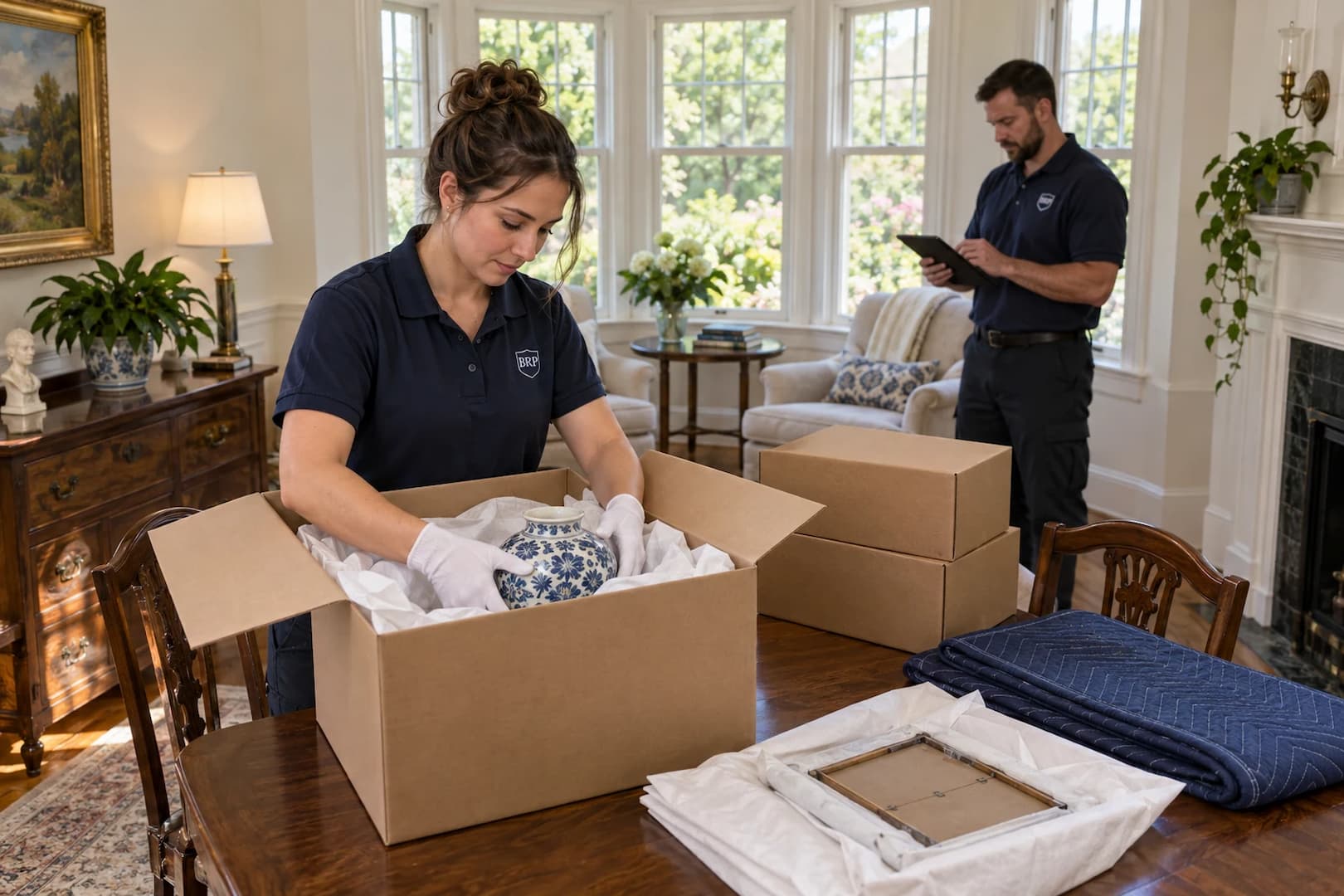
Before furniture is shifted, point out the fragile pieces and family photographs, along with any pre-existing damage. A crowded room may need clearing to reach wet walls, but its contents still need an organized route and a suitable place to go. We discuss those arrangements before packing.
Photographs and an item record help keep movement and disposition decisions traceable. Wet belongings should not be packed as though they were dry household goods. Contaminated items also need separation from possessions that have not been affected.
Our contents restoration services support those decisions. Salvage depends on the object, exposure and condition; we do not promise to restore every item.
Two situations that need a controlled work area
Mold behind a finish
Staining near a window or an odor in a closet may lead back to a leak or condensation. We investigate the moisture conditions, establish an appropriate work area and assess affected materials. Mold remediation is tied to correcting the moisture problem so the same cavity is not closed up wet.
A drain backup downstairs
Sewage requires more than ordinary water extraction. Keep people and pets out, avoid running fans across the area and contact an appropriate drain professional for the source. Contaminated cleanup includes material decisions, cleaning and controlled handling before drying.
Rain and wind can create a separate entry route through an opening in the building. For storm damage, we connect the interior moisture findings with the exterior repair needed to stop further intrusion.
Know what comes before the finish work
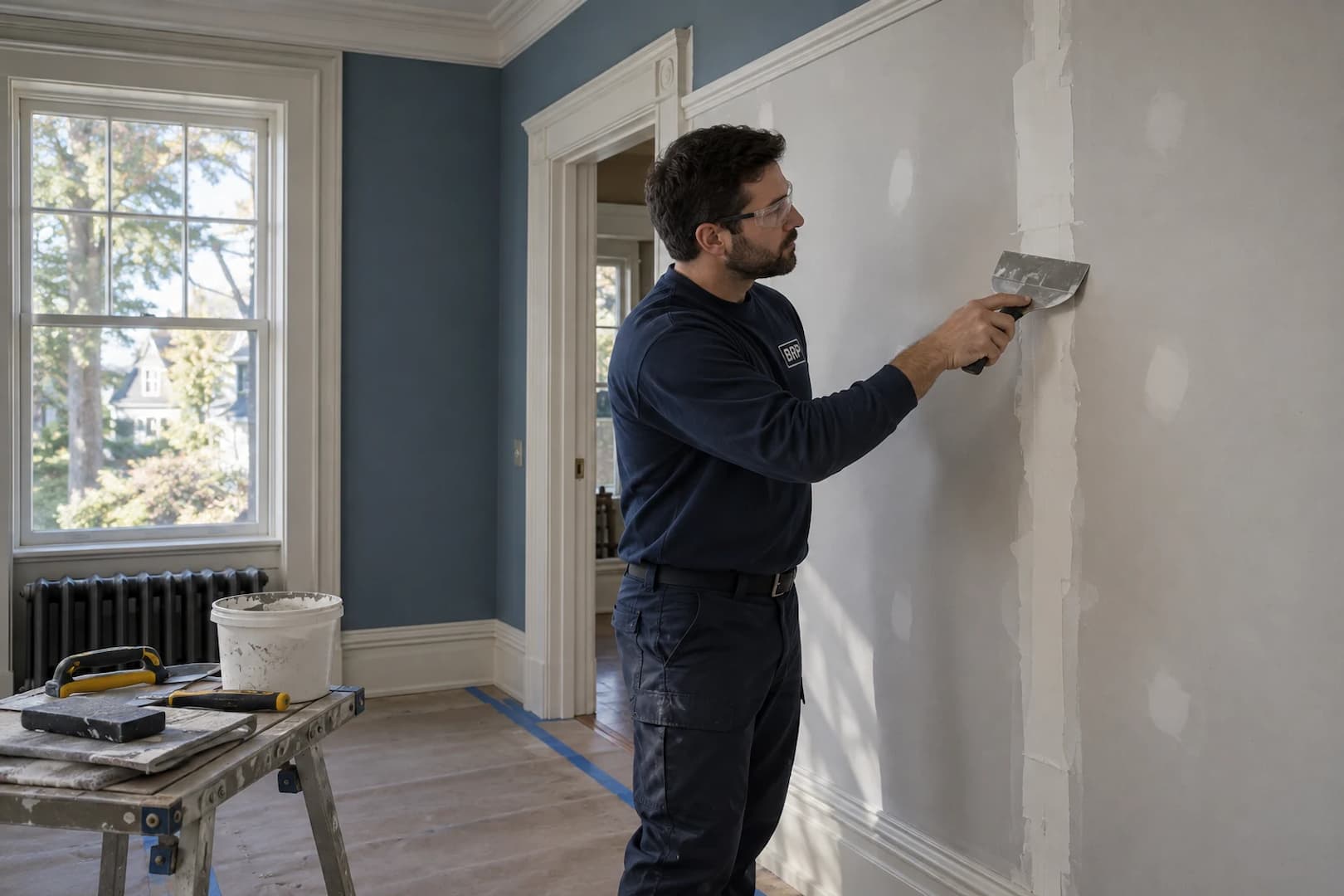
Drying and cleanup come before the finish repairs. The repair stage may replace a removed wall section or restore a damaged floor, but it should start from checked material conditions. Source repairs, moisture checks and any additional assessments need to be resolved before the area is covered again.
The estimate depends on access, affected layers, contents handling and cleanup conditions. Monitoring may change equipment placement or reveal additional work. We explain those findings and document the scope with photographs and records that can support your claim. Your insurer decides policy coverage.
Timing can change when the repair needs matching trim, another material assessment or an approval. Drying results also control when the next stage can begin. After inspection, we discuss these dependencies so the schedule reflects the particular Belmont property.
Belmont restoration questions
Can original woodwork always be saved?
No. We assess material condition, contamination and whether hidden wet areas can be reached. We explain the options before approved removal or repair proceeds.
Should I clean soot off the walls myself?
Leave residue undisturbed until the surface and soot have been assessed. An unsuitable cleaner can smear residue or damage a finish. Keep access to the affected room limited.
Does a small stain mean a small repair?
Sometimes, but staining alone does not show the size of the wet area. We check nearby materials and accessible cavities before defining the scope.
Can drying equipment run while we are home?
That depends on contamination, safe exits, utilities and room use. Equipment brings noise and needs clear space. We discuss the arrangement and any restricted area before work starts.
Do I need to contact my insurer?
Check your policy’s reporting requirements and contact your insurer promptly. Keep photos and receipts. We can supply restoration documentation, while claim decisions remain with the insurer.
Can you help a Belmont shop or office?
Yes. Describe affected rooms, operating hours and access needs. We can plan the restoration work around the damage and practical separation of the work area.
Boston Restoration Prime · Belmont
Start with the room that concerns you most
Tell us what changed, when you noticed it and which finishes or belongings you want assessed. Call 617-639-0909 for restoration help in Belmont, including emergencies at any hour.
in BelmontCall 24/7 ↗