
Ice Dam Water Damage Clean Up in Boston, MA — Emergency Extraction, Drying & Winter Leak Restoration (24/7)
Ice dams form when rooftop snow melts and refreezes at the eaves, forcing water to back up under shingles and into the home. The problem isn’t just the visible ceiling stain — it’s hidden moisture in insulation, framing, and drywall that can lead to swelling, delamination, odors, and mold if it isn’t dried correctly. We provide ice dam water removal, targeted water extraction, and professional structural drying with moisture mapping and clear documentation. If you’re looking for ice dam water damage cleanup near you, we dispatch across Boston 24/7 to stabilize the space fast and prevent the damage from spreading.


“An ice dam started dripping behind our wall and we didn’t realize how far the water traveled until the ceiling bubbled. They showed up quickly, protected the floors, found the wet areas with moisture readings, and handled water extraction and drying without making a mess. The daily updates and photos were exactly what our adjuster asked for.”
“They treated it like a winter emergency — clear plan, quick extraction, and serious drying. No guesswork, no drama.”
“What I liked most: they explained what to do right away (and what not to do), then tracked moisture until it was actually dry.”
Ice dams can push meltwater under shingles and flashing — then it shows up indoors as ceiling stains, dripping, wet insulation, and damaged drywall. Our Boston team provides 24/7 ice dam water damage clean up with fast water removal, careful moisture mapping, targeted drying, and dehumidification to help stop secondary damage. We document readings, photos, and the scope of work so your next steps (repairs and/or an insurance claim) stay organized. Note: we focus on interior water cleanup and drying; roof/ice-dam prevention work is typically handled by a qualified roofer.
Ice Dam Water Damage Escalates Fast — What Proper Cleanup Helps Prevent
An ice dam leak isn’t just “a little water.” Meltwater can travel along framing, insulation, and drywall, then show up far from the entry point. The priority is fast water removal, accurate moisture detection, and controlled drying so ceilings don’t sag, floors don’t cup, and hidden damp areas don’t become a mold problem. A professional ice dam water damage clean up plan in Boston helps reduce repair scope and keeps the structure stable while the roof issue gets addressed.
Common ice dam leak situations we handle
- Ceiling stains or active dripping after snowmelt, especially near exterior walls
- Wet attic insulation, damp rafters, or frost build-up that later turns into leaks
- Water tracking down walls into baseboards, trim, and flooring
- Window/door area seepage caused by trapped meltwater at the roof edge
- If the leak has already affected multiple rooms or you see signs of ongoing moisture, also see: Water Damage Restoration in Boston
Before we arrive (safe quick steps)
- Protect the area below the leak: move items, place towels/buckets, and cover furniture if needed
- Shut off power to affected rooms if water is near lights, outlets, or ceiling fixtures
- Don’t poke the ceiling or open walls “to see what’s inside” — saturated drywall can collapse
- Take a few photos/videos for documentation, then let the area stay as undisturbed as possible
Mechanical & Electrical Cautions (Ice Dam Water Damage Safety)
Ice dam leaks often start above the ceiling line and can travel through insulation, framing, and wiring paths before you ever see water. If the affected area includes an attic, top-floor ceiling, or a utility space below, use extra caution before turning anything back on.
Ceilings, lights & outlets
- If water is near light fixtures, switches, outlets, or a ceiling fan, shut off power to that area if it’s safe to access the panel.
- Do not touch sagging drywall or bubbling paint — saturated ceilings can release water suddenly or collapse.
- Avoid using extension cords or plugging in equipment in wet zones until the area is assessed and stable.
Attic insulation & ventilation
- Wet insulation can hold moisture against wood framing and drywall seams, extending drying time and increasing damage.
- Don’t run attic fans or ventilation equipment without a plan — airflow can push moisture into other cavities.
- We use moisture mapping and controlled drying to target affected bays without over-drying clean areas.
Boiler / furnace / HVAC & ductwork
- If water reached a furnace, air handler, or ductwork, avoid running the system until it’s inspected and the surrounding area is dry.
- Returns can pull damp air (and odors) through the home, making moisture control harder.
- We set drying zones and dehumidification so the building dries efficiently without stressing mechanical systems.
Why Choose Boston Restoration Prime for Ice Dam Water Damage Cleanup?
Ice dam leaks aren’t “just a wet spot.” Water can travel through insulation and framing, soak drywall from behind, and keep feeding the damage every time the roof line melts and refreezes. Our job is to stop the spread, remove water, dry the structure correctly, and document everything so restoration stays straightforward.
Safe, Controlled Response
Ice dam water often impacts ceilings, lighting, and hidden wiring paths. We prioritize safety, stabilize affected areas, and set a clear plan before equipment runs.
- Ceiling stability & electrical-aware approach
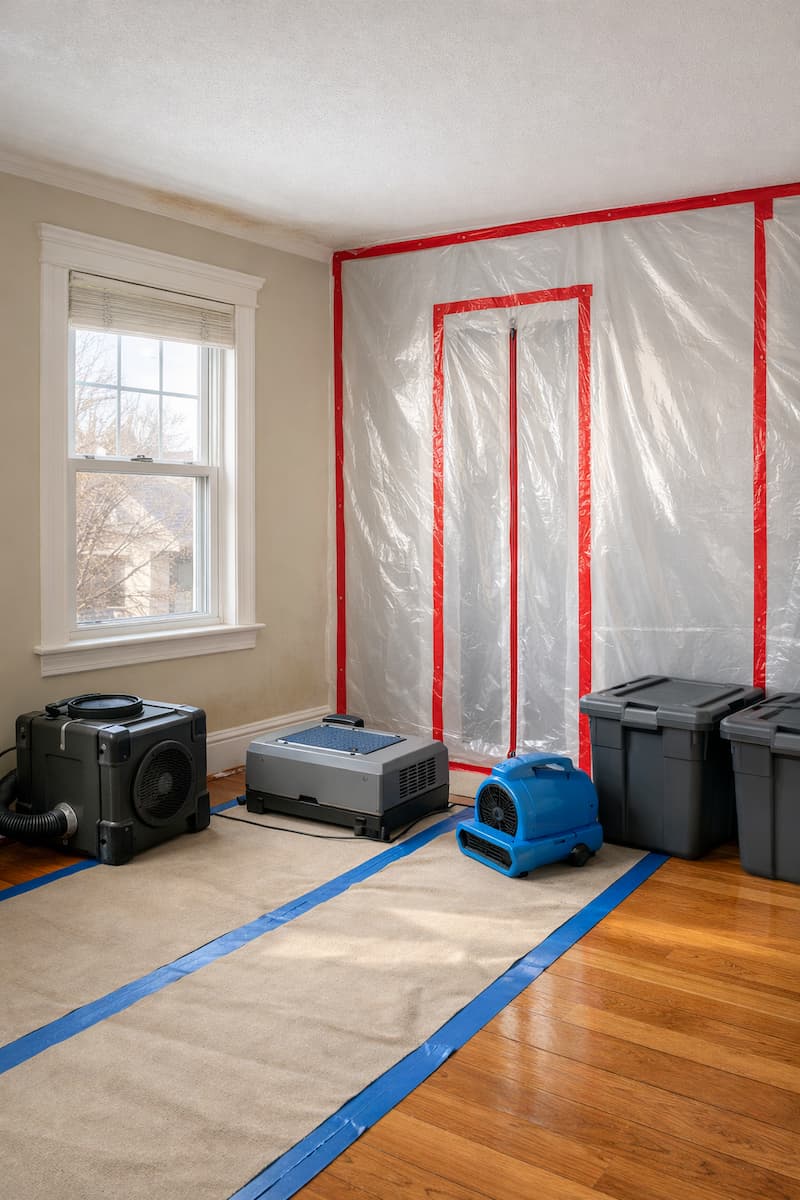
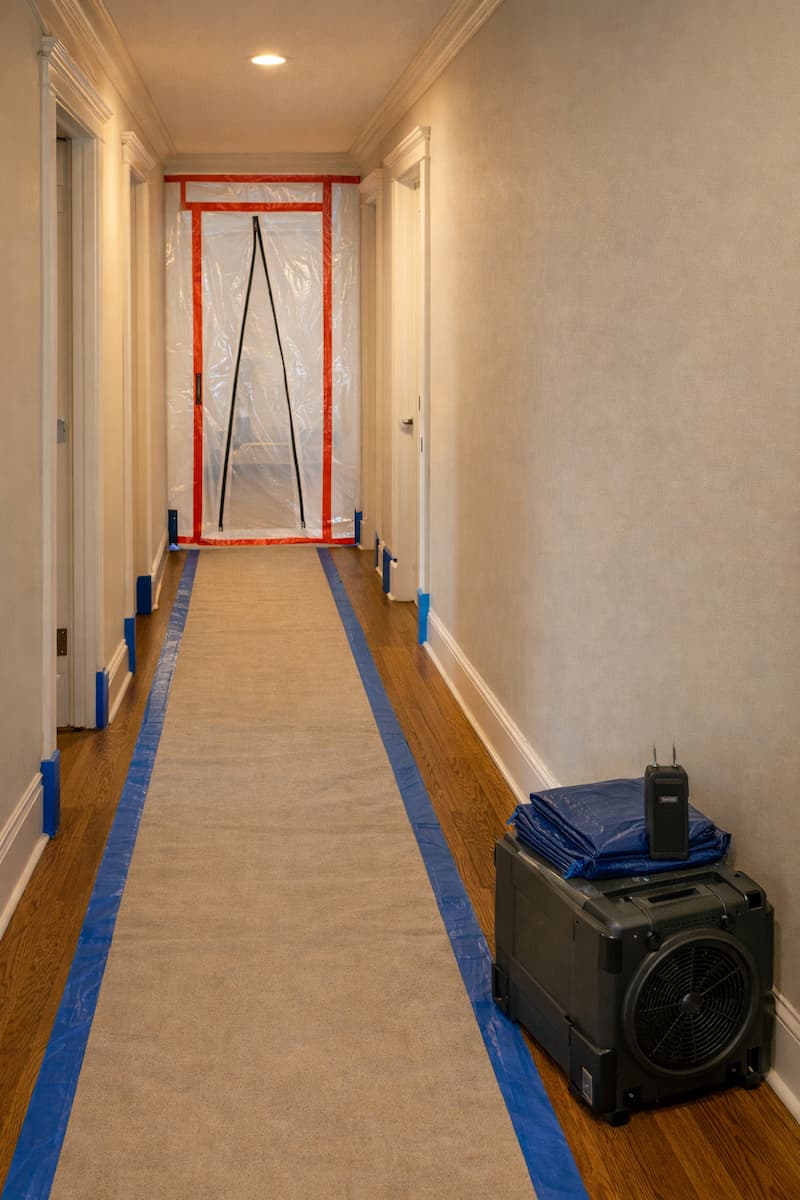
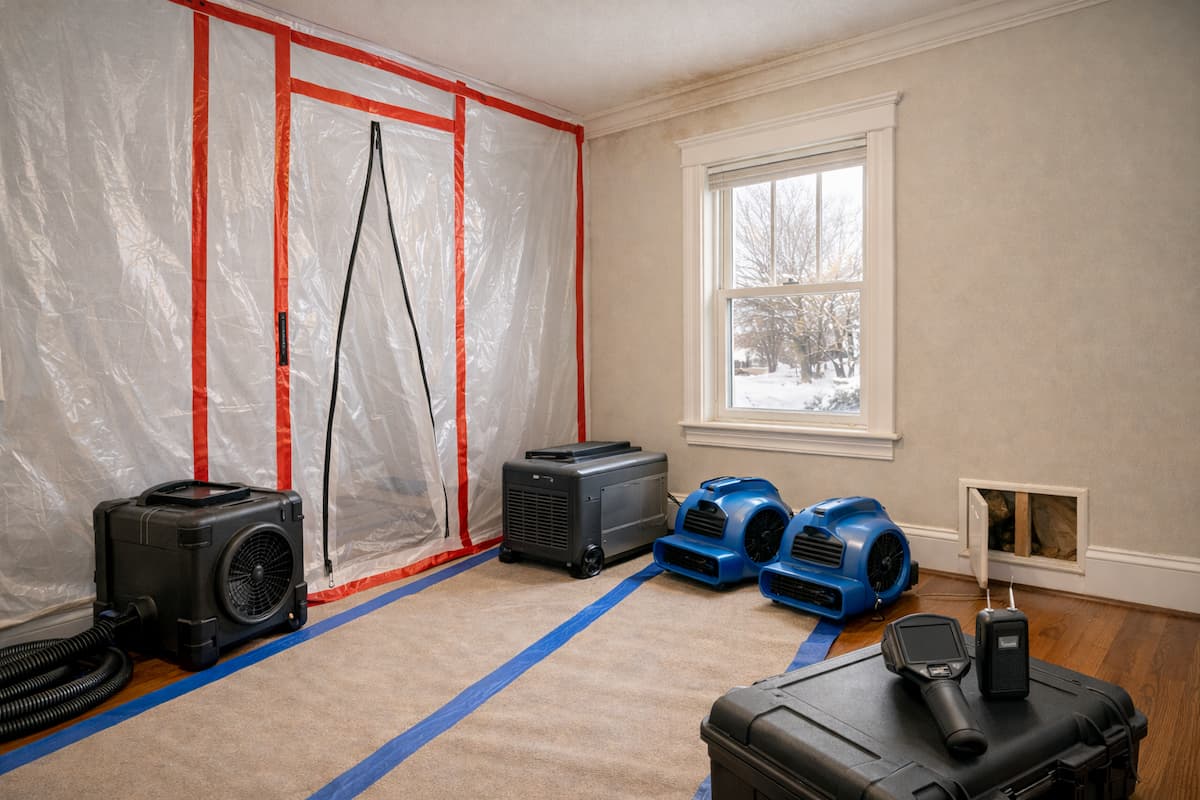
- Targeted containment to protect clean rooms
- Moisture mapping to find hidden wet areas
Pro-Grade Water Removal & Drying
The difference between “dry enough” and truly dry is what prevents swelling, staining, and recurring odor. We use proper extraction and dehumidification to dry materials the right way.
- Water extraction + controlled drying zones
- Dehumidification & air movement planned for the structure
- Daily monitoring until moisture levels normalize
Insurance-Friendly Documentation
Ice dam losses can be confusing because the water shows up far from the entry point. We document affected areas, readings, and the drying plan so your claim file stays clean and easy to follow.
- Before/during/after photos
- Moisture readings & scope notes
- Clear next steps for repairs and restoration
Mitigation vs. Roof Repair: Ice Dam Cleanup Handles the Water Damage Inside the Home
Ice dam leaks often create two parallel problems: (1) the roof/ice issue (usually handled by a roofer or ice-dam service), and (2) the water damage inside the property — wet insulation, ceilings, walls, floors, and hidden cavities. Our role is the inside track: water removal, drying, moisture mapping, stain/odor prevention, and clear documentation — especially when insurance is involved.
Is ice dam water damage cleanup covered by insurance?
Coverage depends on your policy language, deductibles, and how the loss is classified. Even when coverage applies, policies typically expect reasonable “mitigation” steps to prevent additional damage. That’s why same-day water removal, proper drying, and documentation can make the process smoother and reduce the chance of secondary issues.
What we document (claim-friendly)
- Photos before/during/after + notes by room and surface
- Moisture readings to locate hidden wet areas (ceilings, walls, insulation zones)
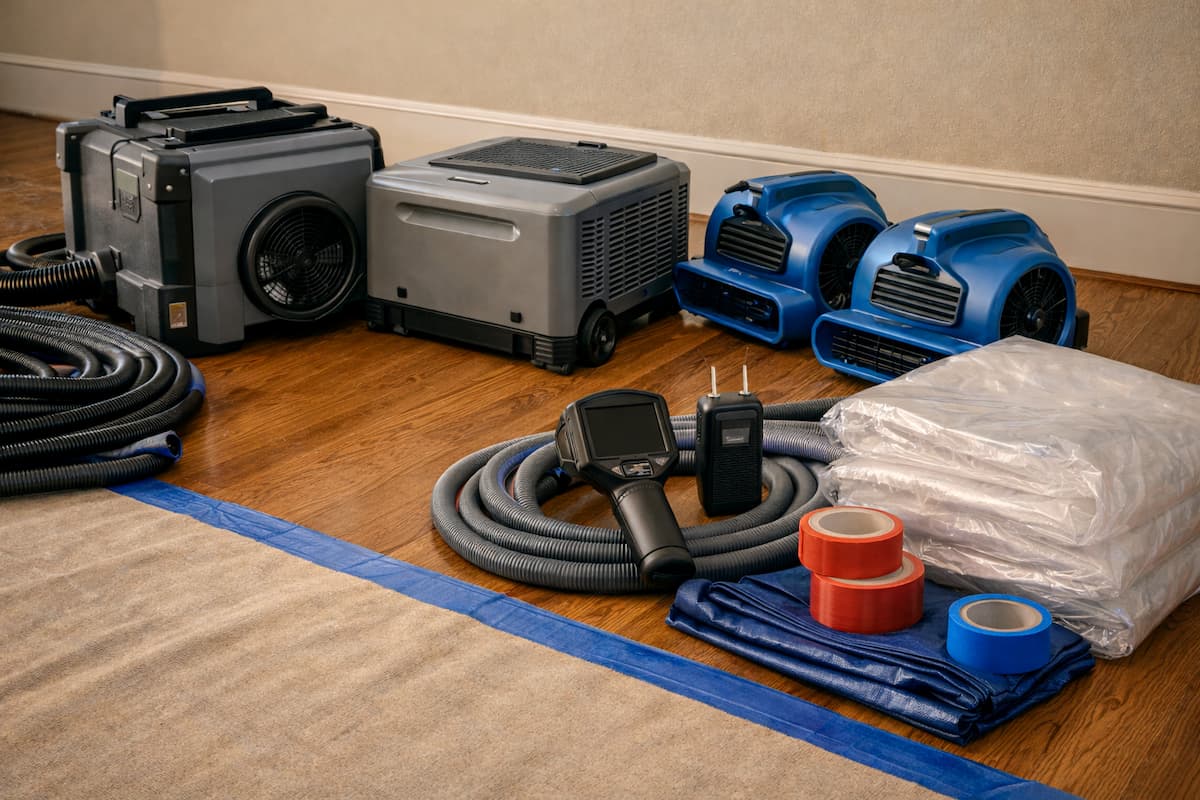
- Equipment plan (air movers, dehumidification) and daily drying checks
- Materials impacted and recommended next steps for repairs
The goal is a clean, understandable scope so decisions don’t stall — and your restoration stays organized.
What Drives the Cost of Ice Dam Water Damage Cleanup in Boston?
Ice dam losses are priced by scope — how much water entered, which building layers are wet, and what it takes to dry them correctly without creating new problems (staining, odor, mold growth, or warped materials). Two homes can show the same ceiling stain, but the hidden moisture path behind insulation or inside wall cavities can change the plan fast.
Main drivers we evaluate
- Where the leak traveled: attic → ceiling → walls → trim/floors, plus adjacent rooms and closets.
- Wet building layers: insulation, drywall, plaster, baseboards, hardwood sublayers, and cabinetry toe-kicks.
- Water volume & duration: slow drip for days vs. sudden release can change drying time and material decisions.
- Access & containment needs: attic entry, tight stairwells, finished spaces, multi-unit rules, work-hour limits.
- Electrical/fixture impact: wet light cans, junction boxes, ceiling fans, or wall outlets may require coordination for safety.
- Seasonal conditions: cold outside air + wet insulation can slow evaporation and increase the need for controlled dehumidification.
What a “clean estimate” includes
Your Partner in Ice Dam Water Damage Cleanup
Experience the Prime Difference
Ice dam leaks are sneaky: water can slip under shingles, soak insulation, and show up as a small ceiling stain while the real moisture is hiding in layers. Our goal is dry, stable, and documented — not “looks fine for now.” We map the moisture, remove standing water when needed, dry the right cavities and materials, and keep the process clear so you can move to repairs without surprises (and keep your claim organized if insurance is involved).
Ice Dam Water Damage Is Deceptive — Cleanup Must Target Hidden Moisture, Not Just the Stain
An ice dam can push meltwater under roofing materials and into insulation, ceilings, and wall cavities. What you see inside (a drip line, bubbling paint, a wet corner) is often just the visible part. A proper cleanup plan focuses on water removal, moisture mapping, controlled drying, and verification — so you don’t end up with lingering odor, warped materials, or mold growth later.
What makes ice dam leaks especially risky
- Hidden paths: water can travel along rafters, duct chases, and framing before it shows up indoors
- Wet insulation: soaked insulation holds moisture and slows drying unless it’s addressed correctly
- Ceiling & drywall damage: trapped moisture can cause sagging, staining, crumbling, and fast deterioration
- Cold + moisture combo: repeated freeze/thaw cycles can extend exposure and widen the affected area
- Secondary growth risk: lingering damp layers can lead to microbial growth even after the visible leak stops
After water removal: drying & verification
Once we stabilize the area and remove any standing water, we confirm what’s actually wet (not just what looks wet). If ceilings, wall cavities, or subfloor edges are damp, we set a controlled drying plan using the right combination of dehumidification and airflow — then track progress with moisture checks. The goal is simple: materials are dry and stable before you close anything up or start repairs.
Save or Replace? What Can Be Salvaged After an Ice Dam Leak
Ice dam leaks usually involve clean water — but the challenge is where it goes: insulation, ceiling cavities, drywall seams, and subfloor edges. The goal is a dry, stable structure before repairs begin. Some items dry well; others hold moisture or deform and are better replaced to avoid repeat damage.
Our Ice Dam Water Damage Cleanup Process (Boston)
Ice dam leaks are tricky: water can travel inside ceilings and walls before you ever see a stain. Our workflow is built to stop the leak impact, remove water, dry hidden cavities, and document the scope for clean repairs.
Moisture Mapping & Safety Check
We start by tracing where meltwater traveled — ceilings, exterior walls, window headers, and attic edges. If there’s any electrical or ceiling-collapse risk, we plan safe access and protected work zones before anything else.
Water Removal & Controlled Access
We extract standing water where present and address saturated materials that block drying (wet insulation, swollen drywall edges, soaked pad). The goal is to prevent ongoing drip damage and open the structure so drying can actually work.
Structural Drying & Dehumidification
We set a drying plan matched to the materials involved — focused airflow, dehumidification, and (when needed) cavity drying for walls/ceilings. This is where ice dam jobs are won: drying the places you can’t see, not just the room you can.
Verification, Documentation & Next-Step Plan
We verify progress with moisture checks and document what was affected, what was removed (if anything), and what’s dry and stable. Then we outline clear next steps — whether that’s minor patch repair or a larger rebuild scope — with claim-friendly notes if needed.
What You Can Expect During Ice Dam Water Damage Cleanup in Boston
Ice dam leaks don’t behave like a normal “pipe burst.” Meltwater can sneak behind plaster, soak insulation, and travel along framing before it shows up as a ceiling stain. Our team focuses on fast stabilization, careful access, and a drying plan that targets hidden moisture — with clear communication so the project stays predictable.
Homes, condos & multi-unit buildings
- Moisture mapping of ceilings, exterior walls, window headers, and attic edges
- Floor protection and clean pathways (especially in tight stairwells and finished spaces)
- Guidance on what can dry in place vs. what should be opened or removed (wet insulation, swollen drywall, soaked pad)
- Controlled drying to reduce warping, staining, and the risk of microbial growth in hidden cavities
Commercial spaces & property management
- Priority water removal to protect finishes and reduce downtime
- Documentation that’s easy to share with managers, tenants, and insurance contacts
- Flexible scheduling around access rules, quiet hours, and tenant coordination
- Clean work zones that keep disruption low while the structure dries properly
If you’re seeing ceiling bubbles, dripping near windows, or damp exterior walls during a thaw, treat it as urgent. Fast water damage cleanup from an ice dam can prevent insulation collapse, staining that keeps spreading, and moisture trapped behind finishes that turns into a bigger rebuild later.
Ice Dam Water Damage Cleanup in Boston — Fast Response, Pro Drying & Clear Documentation
Ice dams can push meltwater into places you can’t see — behind drywall, along window headers, and into attic insulation. We respond prepared to stabilize the loss, perform water removal / extraction, set a targeted drying plan, and document the scope so you’re not guessing what’s wet, what’s safe to keep, and what comes next.
Helpful Tips That Reduce Ice Dam Water Damage
Contact Us for Ice Dam Leak Cleanup in Boston
Whether water is dripping near windows, pooling in an attic, or staining ceilings on the top floor, we’ll help you stabilize the property fast. We provide emergency water removal after ice dam events, targeted drying, and clear documentation for next steps and insurance conversations. Call anytime or request an estimate — we respond 24/7.
Need Emergency Ice Dam Water Damage Cleanup in Boston?
Tell us what’s happening — we’ll respond quickly with a clear plan for water removal, drying, and documentation. If water is actively leaking or spreading, call us 24/7 for urgent stabilization.
Get a Fast Estimate
Usually replies within 15 minutes. No spam.